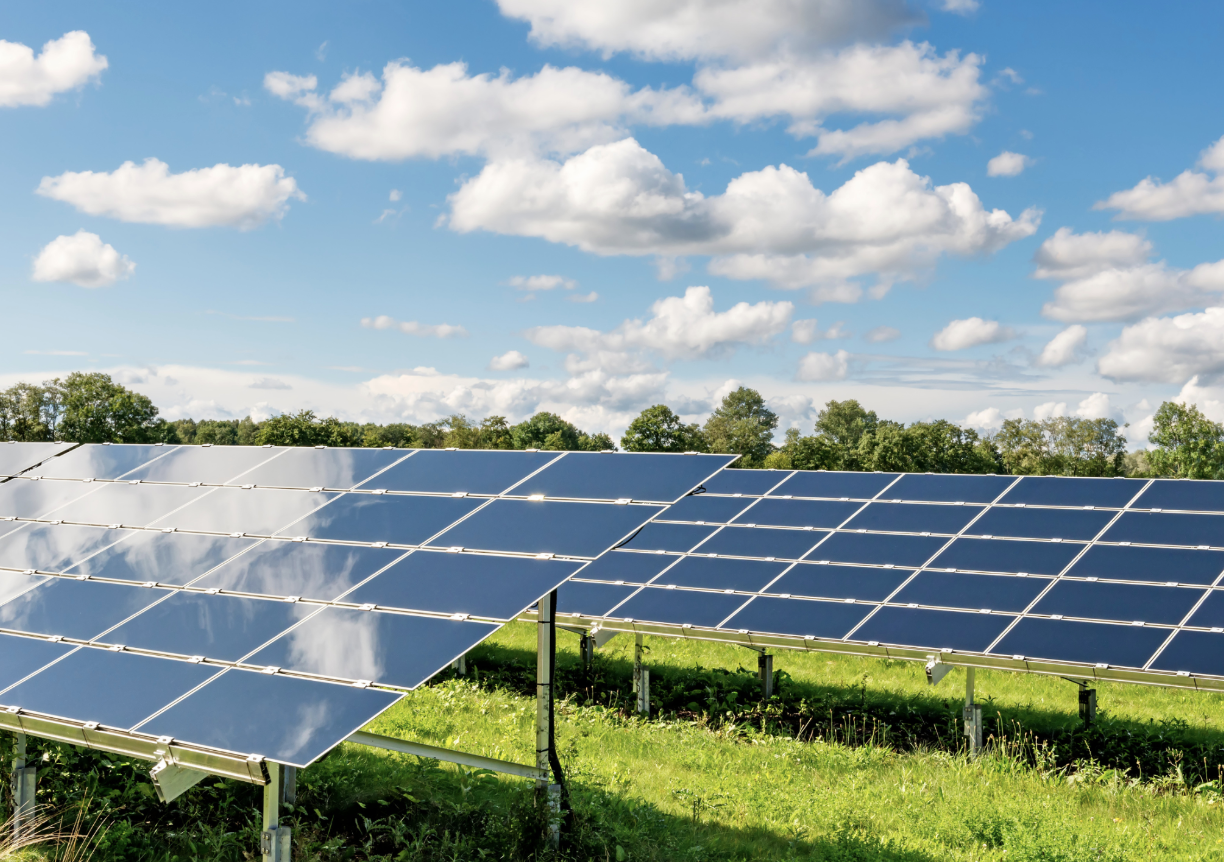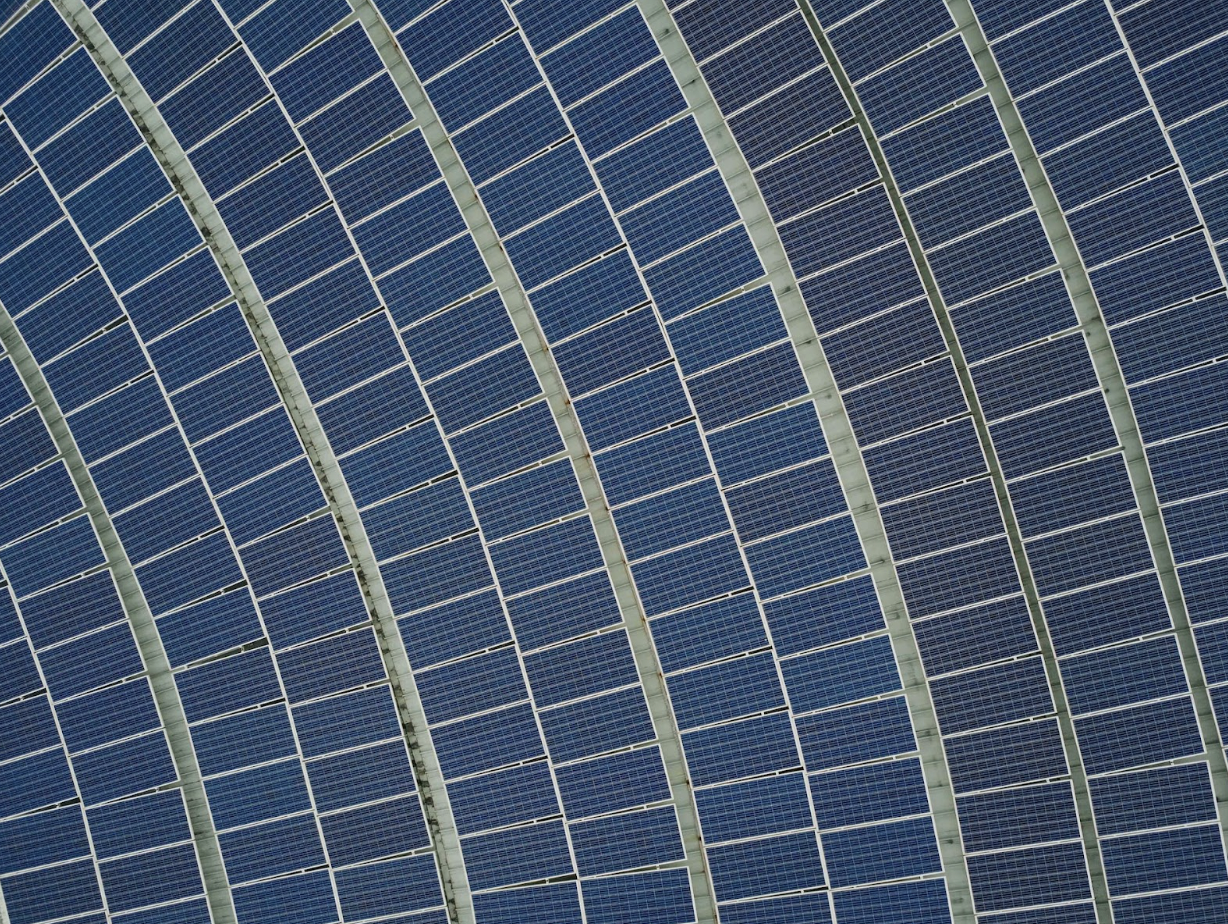


Sunshine Renewable Solutions has spent years navigating the real world of solar project development across Texas and beyond, and despite what glossy brochures suggest, the process involves far more than pointing at a sunny field and saying “that one.”
Commercial solar developers juggle engineering, economics, land negotiations, bureaucratic paperwork, financial structuring, and long term operations. We like to say the job is equal parts detective work and patience training, with a dash of spreadsheet therapy for good measure. The goal is simple: build solar farms in Texas and elsewhere that operate reliably for decades, deliver strong returns, and keep customers happy. The path to get there is anything but simple, and that is what makes the work genuinely rewarding.
When solar developers begin evaluating opportunities, the first question is always whether the land can host a project that makes both technical and financial sense. This is where commercial solar developers turn into location analysts. A parcel must offer strong solar power intensity and solar radiation intensity because even the best panels cannot fix a chronically shaded site. Next comes interconnection.
Developers assess whether the nearest substation or transmission line can accept additional solar projects in Texas without triggering costly upgrades. If the grid operator warns that the interconnection queue looks like the line outside a new barbecue joint, we know it may be a lengthy process. Soil conditions matter too. For example, sandy soils may require deeper piles for racking systems while clay soils in areas hosting Texas solar farms often need specialized engineering to prevent shifting.
We also consider surrounding land uses, potential flooding, endangered species habitat, and access roads wide enough for equipment. For Cypress solar installers or solar companies in Cypress that focus on commercial markets, these land characteristics determine not just feasibility but the economics that investors will eventually judge. In practice, solar development becomes a balancing act of sunshine, soil, utility capacity, and very patient landowners.
Once a site passes the initial filters, developers descend into the permitting phase. This is the moment in solar project development when experience saves everyone a great deal of stress. Cypress solar rules vary widely, from environmental impact requirements to stormwater regulations.
County approvals often involve drainage plans, roadway use agreements, and occasionally a meeting with a commissioner who wants to know whether the project will bother local cattle. Municipalities can add design requirements, building permits, fire code compliance, and noise studies for inverters. Some towns ask solar developers detailed questions about glare, so it helps to bring software modeling rather than enthusiasm alone. Large commercial solar companies often maintain entire compliance teams to manage the paperwork load because each step must be completed before construction. For solar farms in Texas, the regulatory environment is generally supportive, but even supportive jurisdictions expect accurate documentation. Like renewing a driver’s license, the process is smoother when you bring the right forms the first time.
After permitting, solar developers turn to financing, which is its own universe. Power purchase agreements with utilities or corporations establish predictable long term revenue. Tax equity investors may participate, given the favorable federal incentives, while lenders evaluate project risk through engineering reports and interconnection studies. This is where Cypress solar and commercial solar developers often lean on structured deals that match investor appetite with project characteristics. Once financing closes, construction begins.
Panels go up, inverters arrive, and crews coordinate across disciplines. Building solar projects in Texas sometimes feels like running a carefully choreographed dance, only with more steel and fewer graceful moves. But the real longevity test begins after commissioning. Operations and maintenance teams monitor performance, clean modules, manage vegetation, respond to equipment alerts, and ensure the long term health of Texas solar farms. Solar development is not a one and done effort. It is a decades-long responsibility to landowners, customers, and investors.
Sunshine Renewable Solutions maintains data driven maintenance programs so our solar farms in Texas remain productive long after the ribbon cutting. Successful projects require dedicated oversight, not just during construction but through every year of their operating life, which is why we invest heavily in monitoring technology and field crews. In a world where renewable energy must perform consistently, we treat long term management with the same seriousness as initial site selection.
Click here to reach out to our skilled team today.